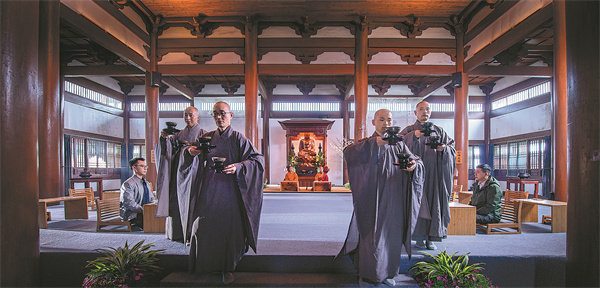
Jingshan Tea Ceremony
Introduction
Jingshan Tea Ceremony is a revered cultural practice originating from the Jingshan Temple located in Hangzhou, Zhejiang province, China. The ceremony has a rich history spanning over 1,200 years, and is a unique blend of Zen Buddhism and tea rituals. It was first established during the Tang Dynasty (618-907) and flourished in the Song Dynasty (960-1279). Today, the Jingshan Tea Ceremony is celebrated as both a national intangible cultural heritage and, as of 2022, part of UNESCO's Representative List of the Intangible Cultural Heritage of Humanity.
Historical Background
Jingshan Temple, the birthplace of the tea ceremony, was built in the Tang Dynasty and has been a site of profound tea culture since its inception. The temple's founder historically offered tea as a sacrifice to Buddha, establishing a spiritual connection between tea consumption and meditation. The ceremony evolved into its full form during the Song Dynasty, incorporating formal procedures such as welcoming guests, burning incense, and making and drinking tea.
Tea Rituals and Practices
At the heart of the Jingshan Tea Ceremony is the practice of "dian cha," a tea whisking technique that became prevalent during the Song Dynasty. This involves using a bamboo implement to mix tea powder with hot water, creating a frothy brew that embodies both aesthetic and spiritual qualities. The ceremony is not just about the act of drinking tea but about achieving a meditative state and mindfulness.
Cultural Significance and Influence
Jingshan Tea Ceremony is considered the precursor to Japan's tea ceremony, known as Sado. Influential monks from Jingshan Temple introduced these tea traditions to Japan during the Song Dynasty. The ceremony reflects the refined lifestyle of literati and bureaucrats from the Song Dynasty, offering a medium for meditation and enlightenment. Attendees savor tea in a serene and contemplative environment, emphasizing the richness and nobility of the mind.
Preservation and Modern Revival
Despite its historical importance, the ceremony faced a decline in local awareness until efforts were made to revive and promote it. Yu Ronghua, Party secretary of Jingshan village, played a pivotal role in recreating a folk edition of the ceremony to engage more people. This involved consulting with tea masters, monks, researchers, and scholars to restore the traditional practices. The folk edition incorporates lifestyle elements to enhance visual appeal and interaction, encouraging participation from tourists and locals alike.
The Role of Tea Sommeliers
Tea sommeliers, like Zhang Hongyan, play a crucial role in promoting and perpetuating the tea culture. Through hosting tea-tasting sessions and performing tea whisking techniques, they offer visitors insights into the ancient practices. Zhang's journey from a regular job to becoming a certified tea sommelier showcases the transformative power of tea culture, both personally and professionally.
The Influence of Lu Yu
Lu Yu, known as the "tea saint," significantly impacted Chinese tea culture with his work, "The Classic of Tea." His exploration and research into tea laid the foundation for the refined rituals seen in the Jingshan Tea Ceremony. Lu Yu's legacy continues to be celebrated across regions he visited, with statues and stories preserving his contributions to tea culture.








